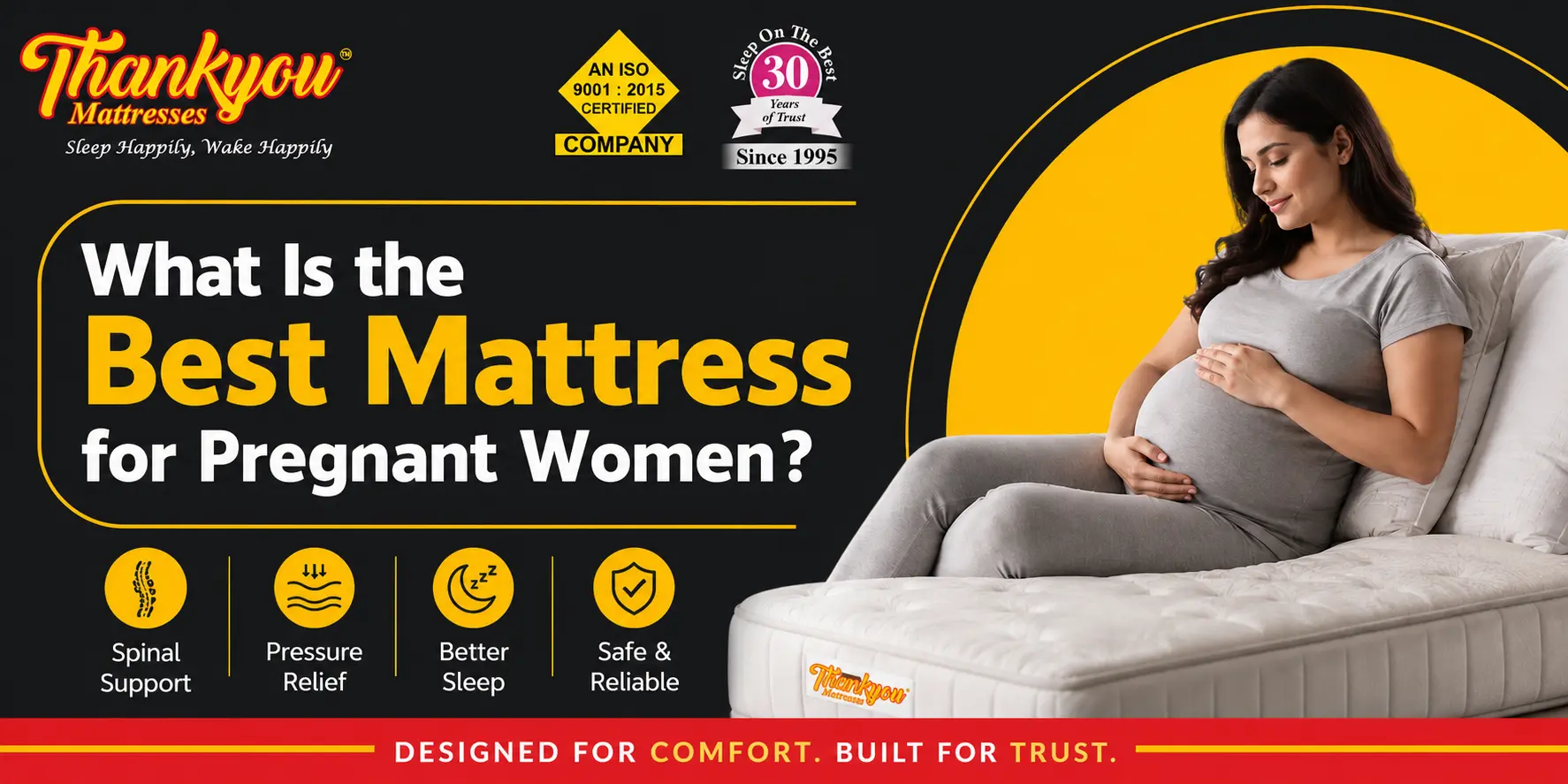
Ask a mom-to-be about her sleep habits, and she is likely to give a weary chuckle in response. As soon as you reach the second trimester, the stomach swells, the hips ache and that old mattress that used to work fine no longer does. Sound familiar?
Here’s the thing — most people don’t think about their mattress until it starts causing problems. But during pregnancy, it’s worth paying attention early. Finding the best mattress for pregnant women isn’t about luxury or trends, it’s about giving your changing body the support it actually needs, night after night.
So here’s what you need to know when making your choice.
Why Your Old Mattress Is No Longer an Option
During pregnancy, your body is not what it used to be when you bought your old mattress. The extra weight changes your center of gravity, the joints become more flexible (thanks to those pesky hormones), and the mattress that was just right before becomes too hard or too soft.
Here are a few problems that appear regularly:
- Nagging lower back or hip pain
- Spending half the night trying to get comfortable
- More tossing and turning than actual sleeping
- Sleep that gets lighter and more broken as the months go on
None of this is unusual, but it doesn’t have to be your normal either. A mattress that actually adjusts to your shape — instead of fighting against it — can take a lot of that discomfort off the table.
So, What Should You Actually Look For?
Firmness that’s somewhere in the middle. Too soft, and you sink in awkwardly, throwing your spine out of line. Too firm, and every pressure point protests. A medium-firm mattress usually hits that sweet spot between support and cushioning.
Real pressure relief. Since side-sleeping is what most doctors recommend during pregnancy, your hips and shoulders take the brunt of it. This is where memory foam or hybrid designs tend to shine — they mold to your body instead of pushing back against it.
Minimal motion transfer. If you share a bed, you already know how one person shifting can wake the other. A mattress that isolates movement well means fewer 3 a.m. wake-ups just because your partner rolled over.
Breathability. Night sweats are common during pregnancy, and nobody wants to wake up overheated. Materials that let air flow through make a noticeable difference here.
Solid edge support. Getting in and out of bed gets trickier as your belly grows. A mattress with good edge support makes that whole process a bit less of a struggle.
If you’re exploring options, Thankyou Mattresses is one brand that’s built around exactly this — a mix of support, airflow, and pressure relief meant for changing sleep needs, pregnancy included.
And Don’t Skip the Pillow
Truthfully, individuals often underrate this. The pillow plays an important role in supporting your neck and shoulder regions at night.
A memory foam pillow shapes itself around your neck, which helps if you’re spending hours on your side (which, during pregnancy, you probably are). And a pure cotton pillow cover keeps things breathable and soft against the skin — small detail, but it matters when your skin feels more sensitive than usual.
In addition to that, most women during pregnancy like using an additional pillow between the legs or behind the back. The idea might seem small, but it is effective.
While You’re At It — Think About the Baby Mattress Too
It’s easy to focus entirely on your own comfort right now, but this is also a good stretch to start looking into your baby’s first mattress. There’s no need to rush, but a few things are worth checking:
- It should be firm — soft bedding isn’t considered safe for infants
- No strong chemical smells or questionable materials
- Breathable fabric to avoid overheating
- A snug fit in the crib, with no gaps along the sides
Getting this sorted early means it’s one less thing on your list closer to your due date.
A Few Extra Sleep Tips Worth Trying
Beyond the mattress and pillow, small habits can add up:
- Sleep on your left side since this aids in the flow of blood to both mother and baby.
- Sleep with a pregnancy pillow to support your back and stomach.
- Ensure that you have a regular bedtime, including during weekends.
- Avoid eating large amounts of food or taking caffeine late in the evening.
- Keep the room cool and dark; it will really help you sleep better.
Wrapping Up
At the end of the day, choosing the best mattress for pregnant women comes down to listening to what your body’s telling you — because it’s telling you a lot right now. Pair the right mattress with a supportive memory foam pillow or a breathable pure cotton pillow, and you’ll likely notice the difference within a few nights. And when you get a spare moment, it’s worth looking into a proper baby mattress too — future you will be glad you did.
Better sleep now means a better start for both of you later.
Frequently Asked Questions
- What type of mattress is best during pregnancy?
A medium-firm memory foam or hybrid mattress is generally best, as it offers pressure relief while keeping the spine aligned. - Is a soft or firm mattress better for pregnant women?
A medium-firm mattress is ideal — too soft can misalign the spine, while too firm can increase pressure on the hips and shoulders. - Can a bad mattress cause back pain during pregnancy?
Yes, an unsupportive mattress can worsen back and hip pain by failing to keep the spine properly aligned during sleep. - What is the best sleeping position for pregnant women?
Sleeping on the left side is recommended, as it improves blood circulation to the baby and reduces pressure on internal organs. - Do pregnant women need a special pillow?
A supportive pillow, such as a memory foam pillow, helps align the neck and shoulders, especially for side sleepers. - When should I buy a baby mattress?
It’s ideal to start shopping for a baby mattress in the second trimester, giving you enough time to research safe, quality options. - What should I look for in a baby mattress?
Look for firmness, breathability, a snug crib fit, and materials free from harmful chemicals. - Are cotton pillows good for pregnancy?
Yes, a pure cotton pillow is breathable and gentle on sensitive skin, making it a comfortable choice during pregnancy. - How often should I change my sleeping position at night?
It’s normal to shift positions throughout the night; using pillows for support can make these transitions more comfortable. - Does mattress firmness need to change with each trimester?
Not necessarily, but many women find they need more pressure relief and support as pregnancy progresses into the later trimesters.