Category: Baby Crib Mattresses

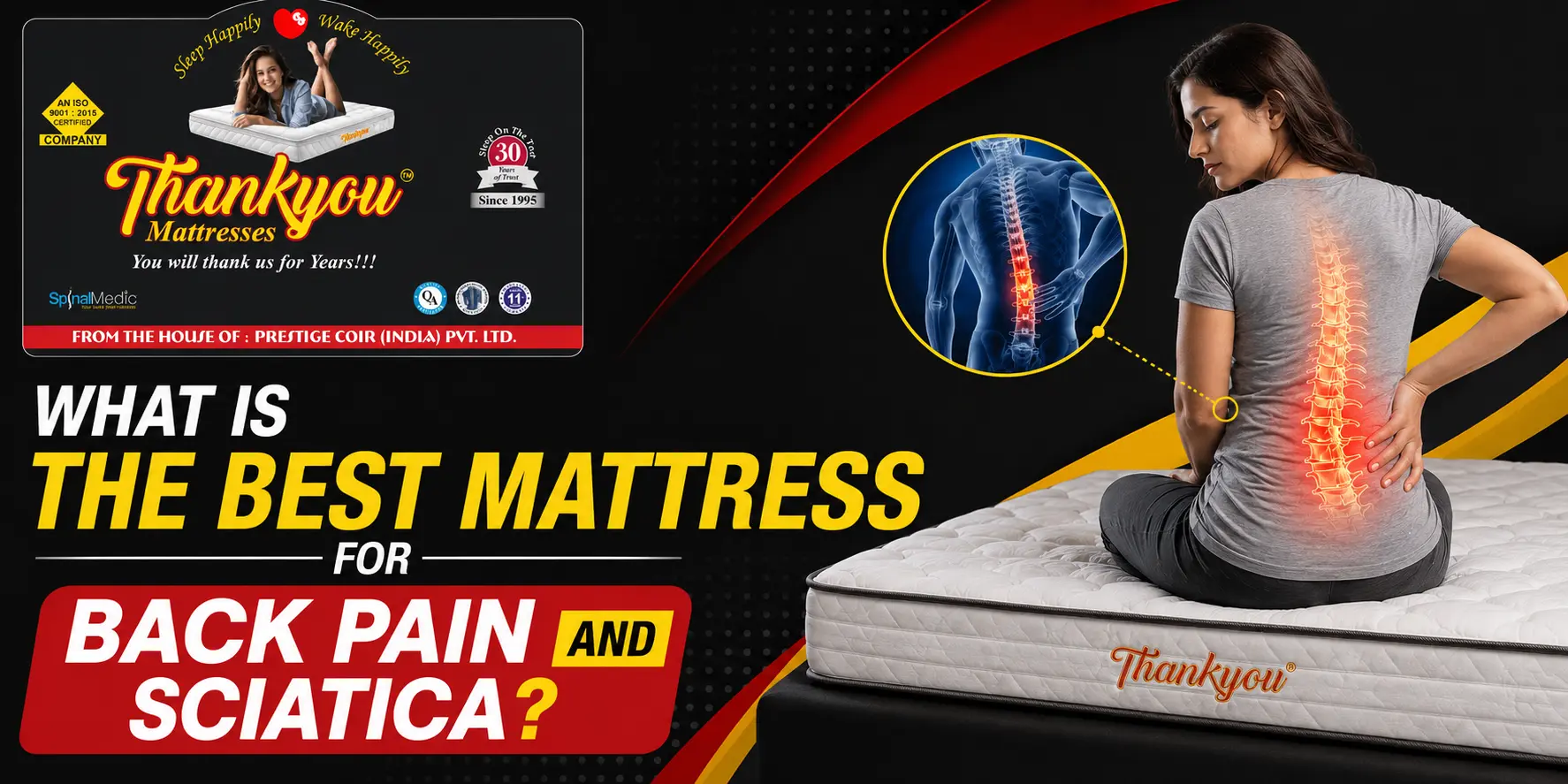
  • What Is the Best Mattress for Back Pain and Sciatica?

    What Is the Best Mattress for Back Pain and Sciatica?

    Getting out of bed with a sore back or a sudden shooting pain in the legs is not a pleasant experience. If you are struggling with back pains or sciatica, your mattress might be contributing to the problem more than you think. A poorly constructed bed or one that is too soft will have your spinal alignment out of place and nerve compression worsened by morning.

    Choosing the best mattress for back pain is not all about getting the firmiest or softest bed on the shelf; the secret lies in selecting one that strikes the perfect balance between support and relief. This guide provides you with the information you need to know in order to choose the best sleeping arrangements for you.

    Why Your Mattress Matters for Back Pain and Sciatica

    Sciatica refers to compression and irritation of the sciatic nerve, which extends from your lower back into the hips and legs. Poor sleep posture is the most common (yet often disregarded) cause.

    In case you have an excessively soft mattress, your hips and shoulders will be too sunken, causing misalignment of your spine. In case of a mattress that’s too hard, it won’t match your body contours and put pressure on your shoulders, hips, and lower back. Any of these factors may cause irritation of your nerves and muscles.

    The goal is a surface that:

    • Keeps your spine in a neutral, straight line from head to heel
    • Cushions pressure points without letting you sink too far
    • Reduces motion transfer so muscles can fully relax overnight
    • Supports healthy blood circulation during sleep

    Key Features to Look for in a Mattress for Back Pain

    1. Medium-Firm Support

    Numerous researches and recommendations made by physiotherapists have found the most suitable mattresses for people suffering from lower back pain – those with medium-firm firmness. Such mattresses provide necessary suppleness and support.

    2. Zoned or Contouring Support

    Zoned support systems of some mattresses ensure that more support is provided for heavy body areas (shoulders and hips), while other areas remain comfortable.

    3. High-Density Memory Foam or Hybrid Construction

    The memory foam layer responds to body heat and pressure by conforming to your back’s natural curves. The hybrid mattress comprises a comfortable foam layer on top of a supportive spring foundation, making it an ideal solution if you need contouring without sacrificing support.

    4. Breathable, Durable Materials

    Your sleep quality suffers when you feel too hot. Get a mattress that allows air flow in addition to having open cell foams that control temperatures.

    5. Motion Isolation

    You may want a mattress that absorbs motion to avoid being disturbed by your partner’s movements when sharing a bed, especially if you’re suffering from pain.

    Sleep Position and Back Pain: What to Know

    • Side sleepers normally require a somewhat softer surface that will provide cushioning to the hips and shoulders but won’t allow the spine to bend.
    • Back sleepers require a medium level of firmness in order to preserve the natural shape of the lumbar area without sinking too much into the mattress.
    • Stomach sleepers will need to find a firmer mattress that won’t make them bend at the waist area, thus, exacerbating sciatica pain.

    No matter what sleeping position you choose, the proper combination of the mattress and the pillow in terms of height and firmness will ensure the alignment of the neck and spine.

    Which Mattress Type Actually Suits Back Pain and Sciatica?

    If you are in search of a direct answer instead of just theoretical information, here is how the most popular mattress types fare when it comes to back pain:

    • High-density rebonded foam (firm/orthopedic type): Most ideal for individuals who require an extremely firm surface that holds the spine in its natural straight position – commonly prescribed for cases involving problems in the back vertebrae and larger body types.
    • Layered memory foam (medium-firm/contouring type):Ideal for those requiring a combination of a supportive base with a soft top layer that alleviates shoulder and hip pressures while still ensuring spine support.
    • Coir or spring-based options: Works fine for general use but lack the targeted support for the spine provided by the foam-based orthopedic constructions.

    Best choice for actual cases of sciatica and lower back pain, due to the fact that foam-based mattresses provide better support than conventional coir or open spring constructions which sag.

    A Real Example: The Adonis Ortho Bondo

    Of all the products available under Thankyou brand, the Adonis Ortho Bondo is especially crafted as an orthopedic one. This particular mattress is made from high density rebonded foam with jacquard quilted cover and is intended to provide a rigid sleeping surface.

    This construction is meant to give the back vertebrae consistent, even support through the night — which is exactly the kind of surface that helps reduce the spinal misalignment behind chronic back pain and sciatic flare-ups. It’s a good fit for people who currently sleep on a soft or sagging mattress and need a firmer reset, including those on the heavier side who need more structural support.

    However, if you need a mattress that will be a little bit softer, yet will provide the same orthopedic properties, there is another product – Memory Foam Series (Comforto, Elegance, and Luxury models). In contrast to the previous one, this series includes rebonded or high resilience foam under the layer of memory foam. The contouring provided by this model exceeds the Ortho Bondo.

    Beyond the Mattress: Building a Pain-Friendly Sleep Setup

    A good mattress takes most of the load, but the remaining sleep components are also important.

    • Pillow choice: The use of contour memory foam pillow, like the one called Memory Contour Pillow, will ensure the proper curvature of the neck and shoulder area, thus providing relief from tension spreading throughout your upper back. Pure cotton pillow will give you additional breathability and chemical-free experience.
    • Mattress protectors: Ensuring cleanliness and moisture-free condition of your mattress increases its ability to provide necessary support.
    • Sleep hygiene: Maintaining regular sleep schedule, avoiding excessive screen time before sleeping and light stretches can also complement support that your mattress gives.

    It’s also worth noting that spinal support needs start early in life. Just as adults need proper alignment, infants benefit from a firm, breathable baby mattress — like the Baby Crib Mattresses designed for safe, healthy spinal development from day one — a good reminder that mattress quality matters at every life stage, not just for adults managing pain.

    Final Thoughts

    Of course, there is no one perfect mattress for all back pains sufferers – your optimal mattress depends on body weight, sleeping position and specific type of your pain. However, a combination of medium firmness and zoning with high-quality foam and hybrid materials will work best when it comes to proper spinal alignment and pressure reduction. In addition, you can complement it with supportive pillow creating an environment that will help to relieve your pain and not to aggravate it.

    If mornings with stiffness and nerve pain have become routine for you, maybe it’s time to stop relying on the comfort of pillow-top mattresses and think about what your spine really needs to heal during nights. There are a lot of options of mattresses designed specifically for that purpose – Adonis Ortho Bondo or Thankyou Memory Foam Series can be considered as an example.

    Frequently Asked Questions

    1. What firmness level is best for back pain and sciatica?

    A medium-firm mattress is generally best, as it supports spinal alignment while still cushioning pressure points at the hips and shoulders.

    1. Can a mattress alone cure sciatica?

    No, but the right mattress reduces nerve irritation during sleep and supports recovery alongside medical treatment or physiotherapy.

    1. Is memory foam good for back pain?

    Yes, high-density memory foam contours to the spine’s natural curve, distributing weight evenly and easing pressure points.

    1. Should side sleepers use a softer or firmer mattress?

    Side sleepers usually need a slightly softer surface to cushion the shoulders and hips while keeping the spine straight.

    1. How often should I replace my mattress for back health?

    Most mattresses lose adequate support after 7–8 years, which can worsen back pain if not replaced.

    1. Does pillow choice affect back pain?

    Yes, a contour memory foam pillow keeps the neck aligned with the spine, reducing strain that can extend into the upper back.

    1. Are hybrid mattresses better than all-foam for sciatica?

    Hybrid mattresses offer both contouring comfort and firmer coil support, making them a strong option for people needing extra structural support.

    1. Can sleeping position worsen sciatica?

    Yes, stomach sleeping often arches the lower back and can intensify sciatic nerve compression compared to side or back sleeping.

    1. Is a firm mattress always better for back pain?

    Not necessarily; overly firm mattresses can create pressure points, while medium-firm options balance support and cushioning better.

    1. Do infants need special mattress support too?

    Yes, a firm, breathable baby mattress supports safe spinal development and reduces suffocation risk during infant sleep.
  • Best Baby Mattress for Indian Summers

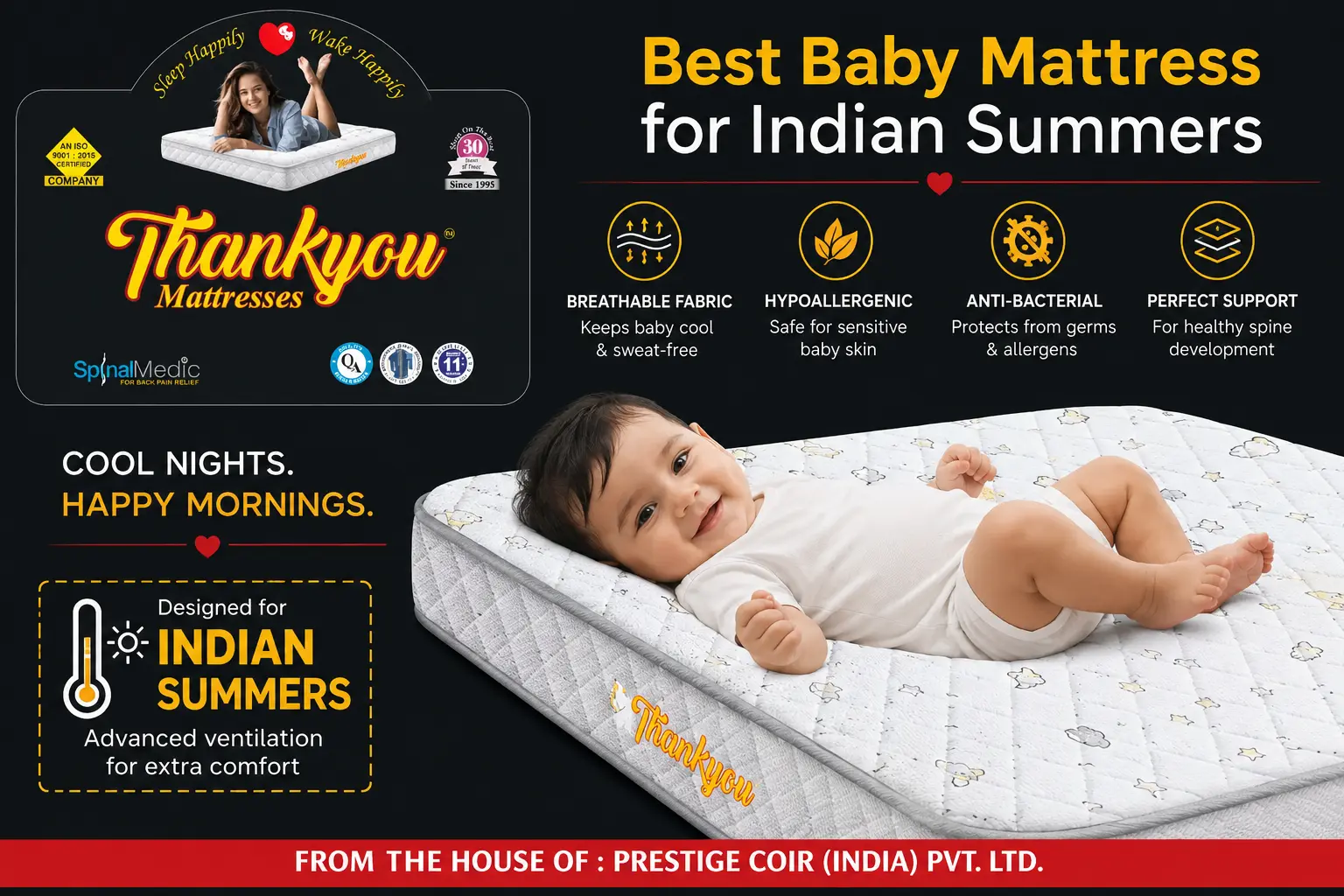
    Best Baby Mattress for Indian Summers

    The Indian summer months are nothing to joke about — scorching weather, humid surroundings, and sleepless nights will not be easy even for the grown-ups, leave alone babies and toddlers. If it concerns sleeping habits of your child, then selecting a mattress which is suitable for him/her in this season will make a lot of difference.

    This is what you need to know about your choice of baby mattress.

    Why Indian Summers Demand a Special Kind of Baby Mattress

    Whereas temperate areas experience moderate climatic conditions throughout the year, the Indian summer lasts from March through July in most parts of the country. The skin of a baby is much more delicate than that of an adult; overheating during sleep may cause:

    • Prickly heat and skin rashes
    • Disturbed sleeping cycles
    • Overheating and dehydration
    • Heat exhaustion, in some cases

    The reason why the choice of your baby mattress becomes extremely critical during this time of the year.

    Key Features to Look for in a Baby Mattress for Summer

    1. Breathability and Air Circulation

    Your baby mattress should allow air to pass freely into the mattress. This means the mattress should have a breathable cover and be made from materials such as open cell foams or be designed with a perforated core in the mattress.

    2. Firmness — Safety First

    Paediatric guidelines consistently recommend a firm sleeping surface for infants. A firm mattress reduces the risk of suffocation and supports the natural development of the spine. Avoid overly soft or plush surfaces, especially for babies under 12 months. The mattress should spring back immediately when pressure is released.

    3. Hypoallergenic and Non-Toxic Materials

    Indian summers, therefore, are accompanied by more dust and pollution as well. A mattress made out of hypoallergenic material helps prevent the presence of any allergens, dust mites, and bacteria. Go for mattresses that do not contain any hazardous chemicals such as formaldehyde, phthalates, and heavy metals.

    4. Moisture-Resistant and Washable Cover

    Babies sweat and leak — that is simply a fact of parenthood. A mattress with a moisture-resistant or waterproof cover protects the inner core from sweat, spills, and bacteria during humid months. A removable, machine-washable cover is a massive practical advantage.

    5. The Right Size and Weight

    Make sure the mattress fits snugly in the crib or cot with no gaps on any side. Gaps can be a safety hazard. A lightweight mattress is also easier to flip, air out, and clean — which you will want to do frequently in summer.

    Types of Mattresses Suitable for Summer Babies

    Not all foam types behave the same way in heat. Here is a quick breakdown:

    • High-Resilience (HR) Foam Mattresses: Excellent breathability, firm support, and durability. Highly suitable for summer conditions.
    • Coir (Coconut Fibre) Mattresses: A traditional Indian choice that remains naturally cool and firm. Good for summer but can be rough — ideally paired with a soft, breathable cover.
    • Memory Foam (with caution): Regular memory foam tends to retain heat. However, an open-cell or gel-infused memory foam variant can offer pressure relief without trapping warmth. In fact, the same technology behind a well-designed contour memory foam pillow — which distributes pressure and regulates temperature — is now being applied to sleep surfaces for better comfort across all ages.

    Innerspring or latex mattresses are generally considered safer for older toddlers rather than newborns.

    What Makes Thankyou Mattresses a Considered Choice for Parents

    In their search for mattresses for their babies, parents in India generally look for products that offer a combination of good manufacturing quality as well as taking into account the Indian climate. This is precisely where a product line by a renowned mattress manufacturer in Delhi, Thankyou Mattresses, offers its services.

    Thankyou Mattresses pays close attention to the open cell construction technology while creating foams, thus ensuring adequate ventilation – something especially important in hot and humid climates for products designed for infants’ sleep. The quality of the materials used is also another advantage for parents to consider.

    Given that it is based in Delhi, the Thankyou Mattresses company has firsthand experience with the extreme North Indian summer climate.

    Practical Summer Tips for Baby Mattress Care

    The most high-quality mattress can only function effectively if it is provided proper maintenance and environment:

    • Ventilate the mattress once a week by keeping it beside a window or any other ventilated place.
    • In the summer, use a thin and cotton mattress protector as opposed to thick and synthetic mattress protectors.
    • Avoid plastic covers directly against the mattress — they trap heat
    • Ensure ventilation of the room using fans and light air conditioners with room temperature of 22–25°C being the perfect temperature for babies’ sleep.
    • Clean the surface of the mattress using a moist disinfected cloth.

    Final Thoughts

    Quality sleep plays an essential role in the development of infants. Considering that temperatures in such a country as India are always over 40°C during the summer season, it becomes clear why purchasing the right baby mattress is not luxury but necessity.

    Frequently Asked Questions (FAQs)

    1. What type of mattress is best for a baby in Indian summer?

    A firm, breathable mattress made from HR foam or coir with an open-cell structure is best for Indian summers, as it allows heat to escape and keeps your baby cool during sleep.

    1. Is memory foam safe for babies during hot weather?

    Standard memory foam can trap heat, making it less ideal in summer. However, open-cell or gel-infused memory foam variants are designed for better airflow and can be used safely, provided the mattress is also firm enough for infant safety.

    1. How firm should a baby mattress be?

    A baby mattress should be firm enough that it does not visibly sag or conform to your hand when pressed. It should return to its original shape immediately — this firmness is critical to prevent suffocation risk in infants.

    1. How often should I clean a baby mattress during summer?

    During summer, wipe the mattress surface with a mild disinfectant cloth at least once a week and air it out in a well-ventilated space every 7–10 days to prevent sweat, moisture, and bacterial build-up.

    1. What is the ideal room temperature for a baby to sleep in summer?

    Paediatric experts recommend keeping the room temperature between 22°C and 25°C for infant sleep. Avoid placing the crib directly under an AC vent or fan to prevent chilling.

    1. Can I use a waterproof mattress cover for my baby in summer?

    Yes, but choose a breathable, cotton-backed waterproof cover rather than a fully plastic one. Plastic covers trap heat and increase sweating; a breathable protector keeps moisture out while still allowing air circulation.

    1. At what age can I switch from a firm baby mattress to a softer one?

    Most experts recommend maintaining a firm sleep surface until at least 12–18 months. After that, a slightly softer but still supportive mattress can be introduced as the child transitions to a toddler bed.

    1. Are coir mattresses good for babies?

    Coir mattresses are naturally firm, breathable, and cool — making them a popular choice for Indian summers. However, they should have a smooth, hypoallergenic cover, as bare coir can be rough on delicate baby skin.

    1. How do I know if a baby mattress is non-toxic?

    Look for certifications such as OEKO-TEX Standard 100 or CertiPUR-US on the product label, or check with the manufacturer about material composition. These certifications confirm the mattress is free from harmful chemicals and safe for infant contact.

    1. What is the difference between a baby mattress and a regular foam mattress?

    A baby mattress is specifically designed to be firmer, lighter, and made from non-toxic, hypoallergenic materials to meet infant safety standards. Regular foam mattresses are built for adult comfort and weight, and may be too soft or made with materials not suitable for babies.

  • 5 Things Every Parent Should Check Before Buying Baby Crib Mattresses

    5 Things Every Parent Should Check Before Buying Baby Crib Mattresses

    For any parent their child are special so, One of the most important choices parents make is what kind of bed to put their newborn in.Because, child sleep a lot during their starting days so, the mattress is very important for their comfort, safety, and healthy growth. There are so many choices on the market that it can be hard to pick the right one.

    Baby crib mattresses that are made well are safe and comfortable for babies. Before buying something, parents should always think about things like how firm it is, what it’s made of, how well it breathes, and how clean it is. This guide lists five important things that all parents should check to make sure their baby sleeps safely and comfortably.

    1. Firmness and Proper Support

    One of the most important things to check in crib mattresses is firmness. Their mattresses must have different from adult mattresses that are often soft and plush, babies require a firmer surface for safe sleep.

    A firm mattress helps:

    • Support the baby’s developing spine
    • Reduce the risk of suffocation
    • Maintain proper sleeping posture

    Soft mattresses may seem comfortable,but they can do many issues. Pediatric sleep experts recommend choosing a mattress that does not sink when the baby lies on it. A firm and supportive structure ensures better spinal alignment and reduces unnecessary pressure on the baby’s body.

    Parents should gently press the mattress surface while shopping. If it quickly regains its shape, it is likely a good option for an infant crib.

    2. Safe and Breathable Materials

    The material used in a baby crib mattresses directly affects comfort, hygiene, and durability. Since babies have sensitive skin and delicate respiratory systems, safe and breathable materials are are best choice to use.

    Good crib mattress materials usually include:

    • High-density foam
    • Natural fibers
    • Breathable fabric covers

    Breathability is important because it helps regulate temperature and prevents overheating during sleep. Babies are very delicate so we have to take care, Babies cannot regulate body heat as effectively as adults, so airflow inside the mattress plays a key role in maintaining a comfortable sleeping environment.

    Parents often pair crib mattresses with soft yet supportive bedding accessories. For example, a pure cotton pillow can be a comfortable option for toddlers as they grow older, thanks to its natural softness and breathability.

    3. Perfect Fit for the Crib

    Another essential factor many parents overlook is the mattress size. A crib mattress must fit perfectly inside the crib frame without leaving gaps on the sides.

    Large gaps can be unsafe because:

    • A baby’s arm or leg may get trapped
    • The baby may roll into the gap while sleeping
    • Bedding may become loose or uneven

    Ideally, there should be minimal space between the mattress and crib edges. If you can easily fit more than two fingers between the mattress and crib frame, mattress can not be of right size. Standard crib mattress dimensions are designed to fit most cribs, but it is always wise to check measurements before buying.

    4. Waterproof and Easy-to-Clean Surface

    Babies can be messy, and mattress hygiene becomes very important during the early months. From diaper leaks to milk spills, crib mattresses will have to be easily cleanable.

    A waterproof or water-resistant mattress cover offers several benefits:

    • Prevents liquid from entering the mattress core
    • Protects against bacteria and odor buildup
    • Makes cleaning faster and easier

    Removable and washable covers are also a good feature to look for. Sleeping surface must have to be clean. It leads to healthy environment and also helps extend the life of the mattress.

    When babies grow into toddlers, parents often start exploring additional comfort options like supportive pillows. Products such as a contour memory foam pillow are designed to provide proper neck and head support for older children and adults.

    5. Durability and Long-Term Comfort

    Parents often assume that baby mattresses are used only for a short period. However, many crib mattresses are designed to last through infancy and toddler years.

    A durable mattress should have:

    • High-quality foam or fiber layers
    • Strong edge support
    • A sturdy outer cover

    Investing in a durable mattress ensures consistent support for your baby as they grow. High-quality construction also prevents sagging, which could otherwise affect sleep comfort and safety.

    Reliable mattress manufacturers focus on quality materials and thoughtful design so that parents can feel confident about their child’s sleep environment. Brands such as Thankyou Mattresses focus on producing best quality mattresses which are comfortable.

    Creating a Comfortable Sleep Environment for Your Baby

    While choosing the right mattress is crucial, parents should also focus on creating a complete sleep environment that supports healthy rest. This includes maintaining a clean crib, using breathable bedding, and keeping the room at a comfortable temperature.

    Some simple tips include:

    • Avoid overloading the crib with toys or pillows
    • Use fitted crib sheets that stay secure
    • Ensure proper ventilation in the room
    • Maintain a consistent sleep routine

    When all these elements work together, babies are more likely to enjoy peaceful and uninterrupted sleep.

    Many parents today prefer trusted brands when selecting sleep products for their families. Companies like Thankyou Mattresses focus on combining comfort and cost together so that you are able to get best quality products at cheap prices.

    Conclusion

    Selecting the right crib mattress is a decision that directly impacts your baby’s comfort and safety. By focusing on key factors such as firmness, breathable materials, proper fit, easy maintenance, and durability, parents can easily make decisions and buy a mattress for their child. High-quality Baby Crib Mattresses are designed with infant safety and comfort in mind, making them an essential part of every nursery. Taking the time to evaluate these five factors will help ensure that your baby sleeps peacefully while receiving the support needed for healthy growth and development.

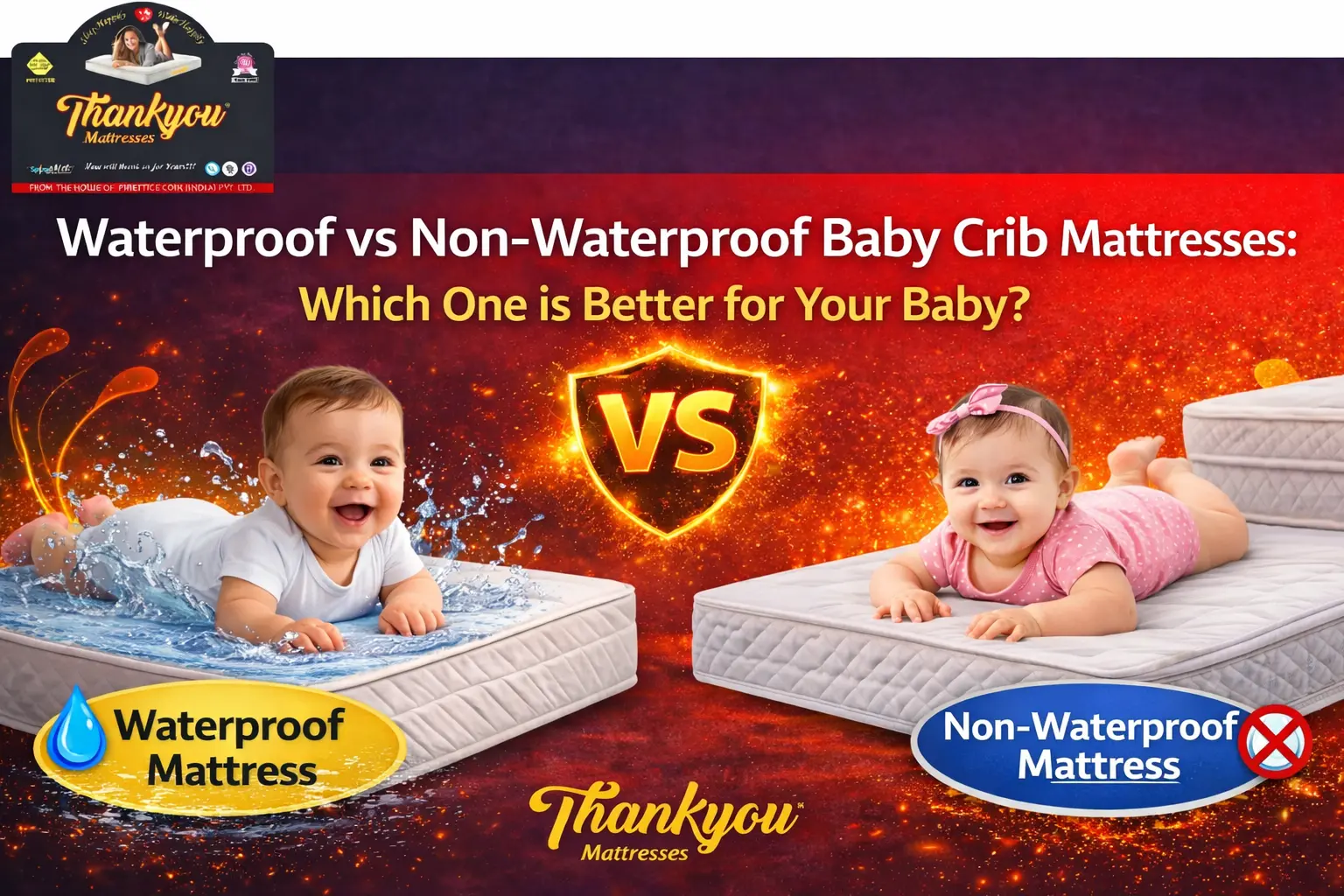
  • Waterproof vs Non-Waterproof Baby Crib Mattresses: Pros & Cons

    Waterproof vs Non-Waterproof Baby Crib Mattresses: Pros & Cons

    One of the most important decisions for any parent is the selection of the right sleeping surface for the baby. Out of the many options available in the market, Baby Crib Mattresses are available in two variants: waterproof and non-waterproof mattresses. Each of these mattresses has its own advantages and disadvantages, which are discussed in the following paragraphs.

    Why Mattress Choice Matters for Babies

    A baby spends most of their time sleeping, and therefore a mattress is a crucial factor in a baby’s development. Baby Crib Mattresses must provide:

    • Proper support for developing bones 
    • Hygienic sleep environment 
    • Breathability and comfort 
    • Easy maintenance for parents 

    This is why the choice between the two has to be considered well.

    What is a Waterproof Baby Crib Mattress?

    A waterproof baby crib mattress is one that has an additional protective layer that prevents water and other fluids from penetrating the inner layers of the mattress. This layer may be made of vinyl, TPU, or fabrics. 

    Pros of Waterproof Baby Crib Mattresses

    1. Easy to Clean
      Accidents are always possible. With a waterproof mattress, cleaning up after your child is quite easy. You just wipe the mess away. 
    2. Hygienic and Odor-Free
      Since the liquid does not penetrate the mattress, the chances of mold and bacteria growth are minimized. This also means the mattress will not smell. 
    3. Long-Lasting Durability
      The waterproof feature also helps in extending the lifespan of the mattress. 
    4. Ideal for Newborns and Infants
      The first year with your child is always the messiest. With a waterproof mattress, this will not be a problem. 

    Cons of Waterproof Baby Crib Mattresses

    1. Less Breathability
      The waterproof feature may also make the mattress slightly hotter. 
    2. Firm Surface Feel
      The waterproof feature may also make the mattress slightly less soft. 
    3. Potential Noise
      There may also be a slight crinkling noise with some waterproof covers as the child moves around. 

    What is a Non-Waterproof Baby Crib Mattress?

    Non-waterproof mattresses are those that are made of materials that allow for maximum ventilation and are not waterproof. They are more focused on the comfort of the child.

    Pros of Non-Waterproof Baby Crib Mattresses

    1. Better Breathability
      The ventilation is much better. This allows for the child to feel cooler as the temperature is maintained. 
    2. Softer and More Comfortable Feel
      Non-waterproof mattresses are also much softer and more comfortable for the child.
    3. Natural Materials Option
      Some people prefer organic mattresses. Organic mattresses are more common with non-waterproof mattresses. 

    Cons of Non-Waterproof Baby Crib Mattresses

    1. Difficult to Clean
      Liquids may seep into the mattresses. This may not be effective in the long run.
    2. Potential for Bacteria and Mold
      Since non-waterproof mattresses are more prone to moisture retention, bacteria and mold may develop.   
    3. Needs Additional Cover
      You may also have to purchase an additional cover for your child’s mattress.

    Waterproof vs Non-Waterproof: Quick Comparison

    Feature Waterproof Mattress Non-Waterproof Mattress
    Cleaning Very easy Difficult
    Hygiene High Moderate
    Breathability Moderate High
    Comfort Medium High
    Durability Long-lasting Depends on maintenance
    Maintenance Effort Low High

    Which One Should You Choose?

    It all depends on your needs as a parent, so:

    • If you are looking for something low maintenance with better hygiene, you can opt for the waterproof one. 
    • If you are looking for something with better comfort, you can opt for the non-waterproof one. 

    A balanced approach that parents take is using a non-waterproof one with a waterproof cover.

    Additional Comfort Factors to Consider

    When you are purchasing Baby Crib Mattresses, you should not forget the accessories that can give comfort to the entire family.

    1. Pillow Support for Parents

    Parents, in particular, tend to forget about their own comfort, as they are so busy with the new addition to the family, so you can use accessories like the Memory Foam Pillow, which can give comfort to your own neck during the late nights.

    2. Ergonomic Design

    A contour memory foam pillow can give you the comfort you need, especially during the late nights as a new parent.

    Safety Tips When Buying a Baby Crib Mattress

    Safety Tips When Buying a Baby Crib Mattress

    However you choose, you need to keep the following in mind:

    • Make sure the mattress fits the crib. 
    • A firm surface is important so that there is no suffocation. 
    • Avoid using something with soft padding. 
    • Use non-toxic materials. 

    Final Thoughts

    It’s important to understand that both waterproof mattresses and non-waterproof mattresses are useful in their own right, depending on your needs.

    At Thankyou Mattresses, you can find mattresses that are designed with your needs in mind, whether you want a waterproof mattress or a non-waterproof one.

    What’s important is that you are able to give your baby the best sleeping experience, be it waterproof or non-waterproof, in a clean, comfortable, and secure manner.

    Making the right choice today can help you manage your life in the right manner, while your baby grows in the healthiest way possible.


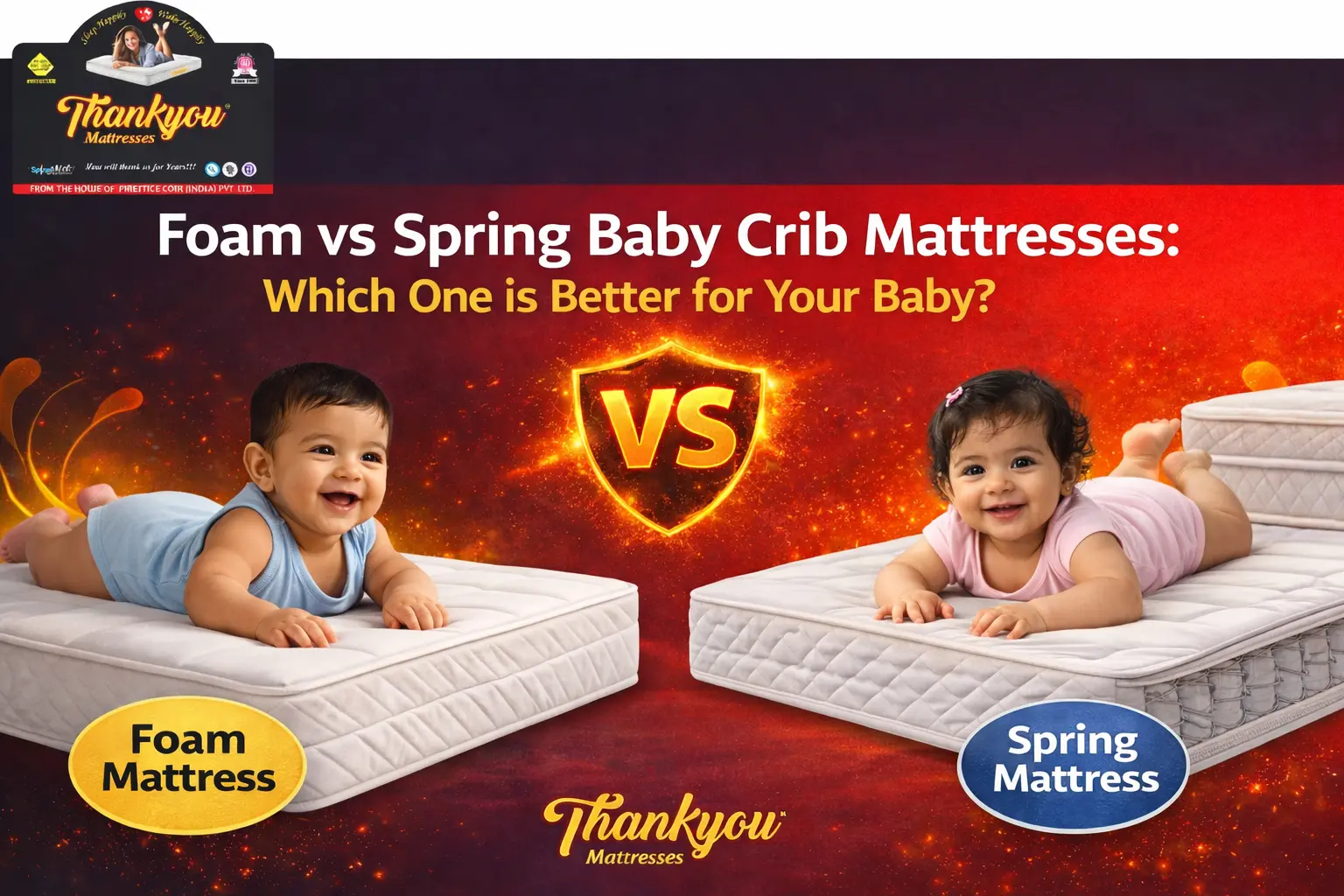
  • Foam vs Spring Baby Crib Mattresses: Which One is Better for Your Baby?

    Foam vs Spring Baby Crib Mattresses: Which One is Better for Your Baby?

    One of the most important decisions that parents make for their babies is choosing the right mattress. Since babies sleep for most of their time, their mattress plays an important role in their comfort and safety. While buying Baby Crib Mattresses, parents are often faced with two options, namely foam and spring mattresses. Each mattress has its own features and benefits.

    Knowing the difference between these two mattresses can guide you in making the right choice for your baby’s crib and help your baby enjoy a safe and sound sleep.

    Why Choosing the Right Baby Crib Mattress Matters

    Since babies are still developing and their bodies are too weak, their mattress should be firm enough to give them the required comfort and safety. It should also be hygienic and breathable. The mattress should be designed in such a way that it helps in reducing discomfort and promotes healthy sleep positions.

    Parents look for the following qualities in their baby’s mattress:

    • Proper firmness for safety 
    • Breathable material for airflow 
    • Lightweight and easy to handle 
    • Durable construction 
    • Hypoallergenic and hygienic surfaces 

    Both foam and spring mattresses can offer these qualities, but they are designed in different ways.

    What Are Foam Baby Crib Mattresses?

    Foam mattresses are designed using high-density polyurethane foam. These mattresses are famous for their lightweight structure and comfort.

    Key Features of Foam Crib Mattresses

    1. Lightweight Design
      In addition, foam mattresses are relatively lighter, which makes it easier for parents to lift them when changing sheets or when cleaning the crib.
    2. Good Support for Infants
      High-density foam offers firmness, which is critical for ensuring a baby’s posture when asleep.
    3. Affordable Option
      Foam mattresses are relatively cheaper compared to spring mattresses.
    4. Easy Maintenance
      Foam mattresses are relatively easier to maintain since they come with a detachable cover that can be waterproofed.

    Things to Consider

    Although foam mattresses are relatively easier to use, it is critical to select a high-density foam mattress. Low-density foam may become soft over time, which may compromise the baby’s posture.

    What Are Spring Baby Crib Mattresses?

    A spring mattress, on the other hand, has metal coils embedded within its structure. These metal coils are responsible for providing a durable surface for the baby to sleep on.

    Key Features of Spring Crib Mattresses

    1. Strong Structural Support
      The metal coils embedded within a spring mattress are responsible for providing a firm surface for a long duration.
    2. Long-Term Durability
      Spring mattresses are relatively durable since the metal coils are not affected by the weight of the baby.
    3. Better Air Circulation
      The design of a spring mattress allows for better airflow, which ensures that the surface remains relatively cooler.
    4. Consistent Firmness
      Spring mattresses are known to maintain their firmness over time.

    Things to Consider

    Spring mattresses are normally heavier than foam mattresses. This may slightly affect the parents, especially when lifting the mattress to clean it.

    Foam vs Spring: Key Differences

    Foam mattresses and spring mattresses differ in several ways. It would be important for parents to understand this difference to make an informed decision.

    Feature Foam Mattress Spring Mattress
    Weight Lightweight and easy to move Heavier and sturdier
    Durability Depends on foam density Generally long-lasting
    Support Good if high-density foam is used Excellent due to coil structure
    Airflow Moderate Better ventilation
    Cost Usually more affordable Often slightly more expensive

    They are both good choices for Baby Crib Mattresses if they meet the necessary criteria.

    Safety Tips When Buying a Baby Crib Mattress

    Regardless of the type of mattress you are choosing, it is important to put safety first. Here are some important tips to keep in mind:

    • Make sure to purchase a firm mattress to ensure proper spinal support. 
    • Make sure it fits snugly in the crib. 
    • Make sure it has proper ventilation. 
    • Make sure it has a waterproof cover. 
    • Make sure it has quality standards. 

    Parents may also prefer mattresses with balanced support, like an orthopedic mattress, to ensure proper firmness to maintain proper posture during sleep.

    How to Decide Which Mattress Is Best

    Foam mattresses and spring mattresses are two popular choices. It will be important to make an informed decision depending on personal preferences.

    You may prefer a foam mattress if:

    • You prefer something lightweight 
    • You prefer an affordable option 
    • You want easy handling during cleaning 

    A spring mattress may be a better choice if:

    • Durability is a top priority 
    • You want stronger structural support 
    • You prefer better air flow and ventilation 

    Both options can assure comfortable sleep as long as they conform to safety standards and are made of high-quality materials.

    Choosing Quality Matters

    Just as the case is with the purchase of a double bed mattress for adults, the quality of the mattress should never be compromised. A good mattress ensures that the right balance is achieved between comfort and support.

    Brands that value sleep quality and the use of quality materials can assure parents the availability of the best baby mattress. As parents purchase quality products from trusted sources such as Thankyou Mattresses, they can rest assured that they are creating the best sleeping conditions for their babies.

    Final Thoughts

    Both types of mattresses have their advantages, and the choice of the one that is best for your baby depends on what matters most to you as a parent. Foam is light and affordable, while spring is durable and allows better air flow.

    However, the most important factor is the purchase of a mattress that ensures your baby experiences the comfort of firmness and support. With the knowledge of the difference between the two options, parents can confidently purchase the best Baby Crib Mattresses.